

When you walk into an upscale Italian restaurant you might feel a sudden wave of hesitation. Will the dining room feel cold and unwelcoming? Will the menu feature microscopic portions of food arranged like a science experiment? Will the chef try so hard to be original that they ruin the simple comfort of a classic dish?
These fears are completely valid. Many modern establishments confuse innovation with pretentiousness.
Understanding the relationship between old-world heritage and modern creativity helps you choose the perfect dining experience. Italian cuisine is never stagnant. It evolves constantly while keeping its feet firmly planted in rich soil.
The Culinary Debate: Traditional vs. Contemporary Italian Food
To appreciate the modern kitchen you must first understand the foundation. Traditional Italian cuisine relies heavily on strict regional rules.
Every town from Piedmont to Sicily protects its specific heritage fiercely. Recipes pass down through generations without a single alteration. If a recipe calls for guanciale you never substitute pancetta.
According to official cultural norms, mixing seafood with cheese is a massive culinary error. You can read more about these unwritten culinary laws in this guide to Italian food and drink rules. Traditional cooking focuses on preservation. It acts as a delicious time capsule.
Rigid Heritage Meets Culinary Freedom
Contemporary cooking breaks away from these rigid boundaries. It answers a different question. Instead of asking how ancestors cooked a dish, contemporary chefs ask how to make the core ingredients taste as vibrant as possible using modern tools.
- Traditional relies on slow simmering, wood fires, and manual dough rolling.
- Contemporary introduces precise sous-vide water baths, rapid chilling, and advanced aeration.
- Traditional stays confined to local geography.
- Contemporary borrows subtle global influences to complement Italian staples.
This freedom allows a kitchen to evolve. It prevents a historic cuisine from becoming a museum piece.
What Is Contemporary Italian Food Exactly?
At its core, contemporary Italian food is the art of using modern kitchen technology to celebrate classic flavor combinations. It is not fusion food. A contemporary chef will not randomly add soy sauce or lemongrass to your risotto.
Instead, the chef uses new methods to change textures and presentation while keeping the familiar taste profile intact. Think of it as high-definition Italian food. The flavors are sharper, the textures are lighter, and the presentation looks striking on the table.
Modern Techniques with Generous Portions
One major misconception stands in the way of enjoying modern menus. People assume that modern styles always equal empty stomachs. They picture giant white plates holding a singular piece of pasta surrounded by foam.
True Italian hospitality rejects this entirely. Food is meant to nourish and satisfy. Contemporary techniques actually help chefs manage rich ingredients better.
- Vacuum-sealing marinades push deep flavor into meats without relying on heavy pools of animal fat.
- Thermal blenders create silky vegetable purees without adding cups of heavy dairy cream.
- Lightened sauces mean you can eat a multi-course dinner without feeling weighed down.
You receive the same satisfying, generous portion sizes that define classic comfort food. The execution is simply cleaner.
Enhancing Flavor Without Over-Complicating the Classics
Another common fear is the ruined classic. Nobody wants to order a familiar favorite only to find it disguised beyond recognition.
Innovation should never feel like homework for the guest. If you want a comforting plate of pasta, the noodles must be perfectly al dente and the sauce must taste balanced.
Contemporary cooking respects this standard. Chefs use science to improve accuracy, not to show off.
For example, using digital humidity controls during the pasta-drying process ensures an identical snap to every noodle. Using centrifuge technology can clarify a tomato broth until it looks like water but tastes like an entire summer harvest. The dish stays recognizable, but the purity of flavor increases.
Dismantling the Fine Dining Anxieties
Choosing a restaurant should cause excitement, not social anxiety. The upscale dining sector has earned a reputation for being stuffy. This atmosphere ruins the fundamental joy of eating.
Goodbye Pretentious Service, Hello True Hospitality
You do not need a degree in culinary arts to enjoy an upscale meal. Some restaurants employ servers who correct your pronunciation or judge your wine choices. That is bad service, not fine dining.
The contemporary movement shifts focus back to the guest. The goal of a modern hospitality team is to guide you through the menu warmly.
Whether you want to learn about rare vintages at our wine and fine dining room or simply want a comforting bowl of soup, the staff should treat your preferences with absolute respect. True luxury feels comfortable, inclusive, and relaxed.
The Perfect Middle Ground for Group Dining
Group dinners often end in a compromise that leaves nobody happy. The adventurous foodies in your family want to try something unique. The traditionalists want simple steak, pizza, or basic pasta.
A hybrid approach solves this dilemma completely. When a menu balances both traditional roots and contemporary execution, everyone wins.
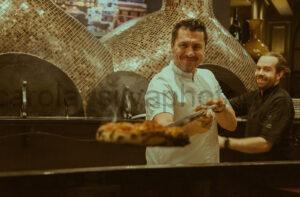
- The table can share a perfectly simple, authentic wood-fired pizza to start the meal.
- Traditionalists can enjoy a slow-simmered, rich meat ragù made exactly like nonna used to make.
- Adventurous diners can choose a modern seafood dish utilizing delicate textures and unexpected pairings.
- Spirit lovers can finish the evening sampling rare bottles at our dedicated Scotch bar.
This balance creates harmony at the table. Nobody feels alienated by the menu options.
Bringing Innovation to the Etobicoke Table
The Toronto food scene changes rapidly, but authentic quality remains the ultimate metric of success. True contemporary cooking requires a mastery of old-world basics. A chef cannot break the rules successfully until they have spent decades perfecting them.
We invite you to experience this balance firsthand. Our kitchen sources premium ingredients from local Canadian farms and trusted Italian importers. We treat those ingredients with the utmost respect, using both historic wisdom and modern kitchen innovation.
Come enjoy an unforgettable evening with us. Book your reservation online today to experience Italian dining designed for the modern palate.
FAQs
Is contemporary Italian food the same as fusion cuisine?
No. Fusion food mixes ingredients and cooking styles from completely different cultures, like Asian-Mexican fusion. Contemporary Italian food stays strictly within the Italian flavor profile but uses modern culinary science, tools, and lighter plating styles to improve traditional dishes.
Why does contemporary fine dining sometimes have a bad reputation?
Some establishments focus too much on visual gimmicks, tiny portion sizes, and overly formal service. This can make guests feel hungry and uncomfortable. True contemporary Italian dining combines modern kitchen innovation with traditional warmth and filling portions.
Does contemporary pasta taste different than traditional pasta?
The flavor remains deeply authentic because the ingredients are identical, usually just durum wheat and water or eggs. The difference lies in the texture and lightness of the accompanying sauces, which are often refined using modern techniques to prevent a heavy or greasy feeling.
Can I get gluten-free options on a contemporary Italian menu?
Yes. Modern kitchen technology and a focus on dietary inclusivity make it much easier for contemporary chefs to craft high-quality gluten-free alternative pastas and naturally gluten-free sauces without sacrificing flavor or texture.