

If you are searching Italian cuisine Toronto, you are probably not just hunting for a menu.
You want a night out that feels like something. Warm service. Food that has rhythm. Wine that fits what you ordered. You may also be thinking, I don’t know how to choose wine at an Italian restaurant or I do not get how wine fits into Italian cuisine culture.
This guide is for you.
You will learn the five most important ways wine bars shape Italian dining culture in Toronto. You will also get practical pairing shortcuts that help you order with confidence, even if you have never read a wine list front to back.
A quick note on taste and pairing
Pairing is personal. The goal is not perfection. The goal is a match you enjoy. Wine education groups also stress choosing wines you like and learning what your own palate prefers.
The real intent behind “Italian cuisine Toronto” searches
Most people searching this phrase fall into one of these buckets:
- You want a trusted place for a proper Italian meal
- You want to know what to order so the night feels complete
- You want wine guidance without feeling awkward
- You are planning a date, celebration, or group dinner
A wine bar matters here because it helps with all four. It turns “What should we do?” into “This is going to be a great night.”
Wine culture itself is often described as the traditions and social behaviours around making, serving, and enjoying wine.
That social part is exactly why wine bars fit Italian dining so well.
What a wine bar adds to Italian cuisine culture
A strong wine bar does not exist to show off bottles.
It exists to support the table. It helps the meal flow. It gives you options by the glass. It gives you a friendly expert to ask, “What goes with this?”
Via Allegro highlights its wine bar as a core part of its experience.
For diners, that matters because it signals you can build a full evening, not just a quick meal.
Here is what that looks like in real life:
- You start with one glass that feels safe
- You taste the first bites
- You adjust based on what you actually ordered
- The night feels guided, not rushed
How Wine Culture Shapes the Italian Dining Experience
Wine has always played a social role in Italian dining. It is meant to bring people together, slow the pace of a meal, and encourage conversation. In Italian cuisine culture, wine is not treated as a separate feature. It is part of how the table connects.
Wine culture focuses on shared moments, regional identity, and the idea that food and wine work best when enjoyed together. This approach explains why wine bars feel so natural inside Italian restaurants. They support relaxed ordering, allow guests to taste and adjust, and help the meal unfold at a comfortable pace.
For diners who want context beyond the menu, this overview of wine culture and its role in social dining offers helpful background on how wine traditions developed and why they remain central to food-focused cultures today:
https://www.palosverdespulse.com/blog/understandingwineculture
In Toronto Italian restaurants, this cultural foundation shows up in thoughtful wine lists, approachable guidance, and an emphasis on shared dining rather than rigid rules. The result is a dining experience that feels welcoming, intentional, and easy to enjoy — even if you do not consider yourself a wine expert.
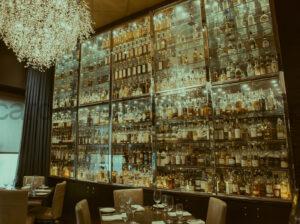
5 essential ways wine bars shape the experience
1) They make ordering feel simple
The biggest pain point is decision stress.
A long list can feel like a quiz. Good wine bars reduce that stress by asking better questions:
- Do you want red, white, or sparkling?
- Do you like lighter or fuller styles?
- Are you ordering tomato-based dishes, creamy dishes, or seafood?
That last question is key because pairing is often more about sauces and overall flavours than the label on the bottle. Pairing guides focus on matching wine style to the food’s dominant flavours and weight.
Simple move: ask for “one flexible glass” that can work across the table. You can always switch after the first course.
2) They improve pairings without pressure
You do not need fancy terms to pair well.
Most reliable pairing advice comes down to a few principles:
- Match intensity with intensity
- Use acidity to handle tomato and richer foods
- Avoid heavy tannin when your dish is very spicy or very salty
Ontario’s LCBO pairing resources teach practical pairing by wine style. That is useful because most people order by style, not by grape.
Wine educators also suggest learning how food changes the way wine tastes, which is why “rules” should stay flexible.
What this means for you: a good wine bar helps you get close on the first pour, then fine-tunes from there.
3) They create pacing, not chaos
A great dining experience is often about timing.
Wine bars naturally support pacing because they encourage courses:
- aperitif or first glass
- starter
- main
- second glass or digestif
This is a huge win for people who want a complete Italian dining experience. It also prevents the “everything hits the table at once” feeling that makes dinner feel rushed.
Quick pacing plan (easy for two to four):
- Start with one shared starter
- Order your mains next
- Add a second glass once the mains land
That small structure makes the night feel intentional.
4) They highlight regional roots
Italian cuisine is not one thing. Regions shape ingredients and traditions.
One reason wine bars matter is that wine regions map onto food regions. That connection helps diners understand Italian cuisine culture in a practical way, not a textbook way.
Wine culture discussions often connect wine to geography and tradition.
So when a wine bar recommends a style that matches the dish’s regional vibe, you feel the “why” behind the pairing.
A simple way to use this at the table:
- If your food is tomato-forward, ask for something bright and lively
- If your food is creamy or buttery, ask for something crisp or lightly textured
- If you are sharing many dishes, ask for a versatile style
5) They turn dinner into an occasion
This is the difference between eating and dining.
Wine bars create a setting where people linger. They encourage conversation. They make celebrations feel easy.
This matters even more when you are planning a group night. Via Allegro offers private event options and customized planning for hosts.
That is a strong fit for birthdays, corporate dinners, and any night where you do not want to manage details while also trying to enjoy yourself.
Host-friendly move: choose a set menu direction, then ask the wine bar for two “table wines,” one white and one red. It keeps choices simple.
Choosing wine at an Italian restaurant without stress
Here is a no-embarrassment script you can use.
Pick one line and say it as-is:
- “I like smoother reds. What pairs well with tomato sauces?”
- “We’re sharing different dishes. Can you recommend one versatile white?”
- “I want something not too heavy. What’s a safe first glass?”
- “I’m new to Italian wine. What’s a classic style to start with?”
Wine pairing guidance often begins with choosing something you know you enjoy, then learning from there.
That is permission to keep it simple.
If you only remember one pairing tip: food changes wine more than wine changes food. So taste first, then adjust.
Quick pairing cheat sheet for popular Italian flavours
Use this section as your “menu translator.”
Tomato-based sauces
Look for wines with freshness. Acidity helps.
Try:
- a bright red style
- a crisp white if you prefer lighter drinking
Creamy pasta and rich cheese
Look for balance. You want something that can cut through richness.
Try:
- a crisp white
- a lighter red with softer tannins
Seafood starters
Keep it clean.
Try:
- a crisp white
- sparkling if you want a celebratory start
Charcuterie and salty starters
Salt loves acidity and bubbles.
Try:
- sparkling
- crisp whites
LCBO pairing resources are helpful here because they group wines by style and match them to common foods.
When private events make the night easier
If you are planning a larger gathering, your needs change.
You care about:
- consistent timing
- comfortable space
- a menu that works for different preferences
- wine service that keeps the night moving
Via Allegro’s private events offering emphasizes group menu options and planning support for hosts.
That can remove a lot of stress if you are coordinating work dinners or family celebrations.
If you want a Toronto Italian night that feels smooth from the first pour to the last bite, start here: check out Via Allegro’s Our Wine Bar experience, then explore Private Events if you are booking for a group.
FAQs
How do I choose wine if I do not know Italian wine names?
Ask for wine by style. Say “light and crisp” or “medium-bodied red.” A good wine bar will translate that into options and guide your first glass.
Why do wine bars matter for Italian cuisine culture in Toronto?
Because wine is part of the social rhythm of the meal. Wine bars help with pairing, pacing, and shared dining, which is central to how many people experience Italian food culture.
What is the easiest wine to pair with a table sharing many dishes?
Ask for a versatile style with good freshness. Many pairing guides recommend thinking in terms of overall flavour and weight, not one perfect match.
Should I order wine before or after food arrives?
Order one safe first glass before food. Taste the first bites. Adjust the second glass based on what you actually ordered. This approach matches common pairing guidance.
Are wine pairing “rules” strict?
No. Wine education sources encourage flexibility and personal preference. Treat rules as starting points, not a test.