

Fine dining is often misunderstood as merely a white tablecloth and a high price tag. At Via Allegro, we believe the distinction lies in the kitchen’s commitment to the difficult path. Nowhere is this more evident than in our pasta program. Many establishments succumb to the commercial quality trap by serving pre-packaged, dried noodles that lack character. We choose a different route because our guests deserve the soul of Italy on their plates.
Why Handmade Beats the Commercial Quality Trap
When you visit a high-end restaurant, you expect a meal you cannot replicate at home. Most grocery store pasta is made via massive extrusion machines that apply immense heat. This process kills the delicate flavor of the grain and creates a slick, plastic-like surface. When sauce hits that surface, it slides right off to the bottom of the bowl. This is the hallmark of “commercial” quality.
Our artisanal process focuses on the tactile nature of the dough. By using traditional methods, we create a microscopic roughness on the pasta. This surface tension is what allows a rich ragù or a delicate brown butter sauce to cling to every strand. It transforms the meal from a bowl of noodles into a cohesive culinary event. This dedication to texture is a primary reason why many consider us the best Italian restaurant in the region.

Authenticity Over the “Olive Garden” Effect
The North American dining scene is flooded with “Italian-style” chains that prioritize speed over heritage. This has led to a Lack of Authenticity—the “Olive Garden” Effect—where sauces are thickened with cornstarch and pasta is overcooked to a mushy consistency. Authenticity requires patience and the right raw materials. We source specific flours that behave differently under the rolling pin than standard all-purpose varieties found in local bins.
The difference begins with the “00” flour and the richness of the egg yolks. In Italy, the color of the pasta often signals the quality of the eggs used. A deep, golden hue tells the diner that the kitchen didn’t cut corners. We respect the historical glossary of Italian pasta to ensure every shape we serve serves a specific regional purpose. You won’t find a generic “one-size-fits-all” noodle here; every ridge and fold is intentional.
Diet, Health, and Quality Control
One of the biggest pain points for modern diners involves dietary restrictions and quality control. Many people avoid pasta because they feel sluggish or bloated after a meal. This often happens because commercial pasta is made from low-grade wheat that is hard for the body to process. Our handmade pasta uses high-protein, non-GMO grains that are much easier on the digestive system.
Because we control the dough from the moment the flour hits the table, we can guarantee the integrity of our ingredients. For guests with specific needs, knowing that their meal was prepared from scratch provides peace of mind. We don’t rely on third-party manufacturers who might hide additives or preservatives in their products. Everything is transparent, from the farm to your fork.
The Science of the Perfect Dough
Creating the perfect dough is as much about science as it is about art. The humidity in the kitchen, the temperature of the chef’s hands, and the resting time of the dough all play vital roles. If the dough is not rested properly, the gluten becomes too tight, making the pasta tough. If it is worked too much, it loses its delicate snap.
Our chefs spend hours each morning kneading and folding. This isn’t just for show. This “labor of love” ensures that the proteins in the flour develop exactly the right amount of elasticity. When you take that first bite of our signature pappardelle, you are tasting hours of physical effort and decades of refined technique. This is what separates a standard meal from a true fine dining experience.
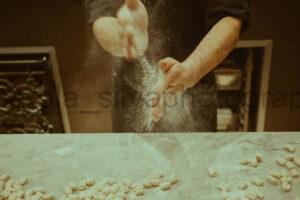
From the Flour Table to the Fine Dining Plate
The transition from a mound of flour to a finished dish is a journey of precision. Each shape requires a different touch. Tagliatelle must be cut to a specific width to balance the weight of the sauce. Ravioli must be sealed perfectly to prevent the filling from escaping during the boil. This level of detail is impossible to achieve in a factory setting.
When you view our menu, you are seeing a collection of these journeys. Each dish represents a commitment to the craft that defines the Italian spirit. We invite you to taste the difference that fresh, artisanal preparation makes. It is a difference you can see in the color, feel in the texture, and remember in the flavor.
Experience True Italian Excellence
We understand that you have many choices when looking for a meal. However, if you are seeking a restaurant that values tradition over convenience, we are here for you. We invite you to contact us to book your next table. Whether it is a quiet Tuesday or a major milestone, our pasta will always be made by hand, with heart, for your enjoyment.
FAQs
What makes handmade pasta better than dried pasta? Handmade pasta uses fresh eggs and high-quality flour to create a tender, silky texture. It has a porous surface that absorbs sauces better than the smooth, hard surface of industrial dried pasta.
Is fresh pasta always better for fine dining? While some Italian dishes traditionally use high-quality dried pasta (like those from Gragnano), fresh handmade pasta is generally the gold standard for luxury dining due to the skill and labor required to produce it.
Does Via Allegro offer options for dietary restrictions? Yes. Because we make our dishes from scratch, we have much higher control over ingredients. Please inform your server of any allergies or restrictions so we can accommodate you with the highest level of quality control.
Why is artisanal pasta more expensive? The cost reflects the premium ingredients and the significant labor time. Each batch is made by hand by skilled chefs rather than by a machine, ensuring a superior culinary result.