

Booking a table at an upscale restaurant should bring anticipation and joy. Yet for guests managing celiac disease, wheat sensitivities, or plant-based diets, planning a night out often brings hesitation. Too many diners have experienced the frustration of opening a luxury menu only to find single option salad offerings or plain steamed vegetables.
Modern hospitality has shifted to meet these needs with care and technical skill. Finding top-tier gluten free fine dining means enjoying handcrafted meals that match the artistry of traditional Italian cooking.
Moving Beyond the Afterthought Menu
In years past, order modifications were treated as an inconvenience in professional kitchens. Diners with specific diets were forced to strip down complex dishes, removing rich sauces and starches until little substance remained.
High-end Italian restaurants in Etobicoke now treat dietary requests as an opportunity for innovation. Chefs design dedicated plates that stand proudly alongside classic pasta and grilled meats.
Crafting Intended Dishes Instead of Simple Substitutions
A truly elevated kitchen does not simply swap standard wheat pasta for a store-bought substitute and call it a day. Instead, culinary teams select high-grade alternative grains like corn, rice, or buckwheat that hold their shape and absorb sauces properly.
- Specialty corn and rice blends yield an authentic firm texture.
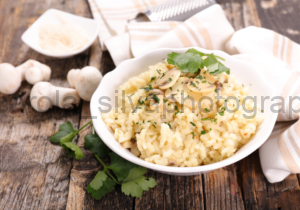
- Risotto dishes naturally provide rich comfort without relying on wheat thickeners.
- Polenta preparations offer a smooth, savory base for roasted mushrooms and vegetables.
- House-made gluten-free bread choices arrive warm at your table before the meal starts.
Rich Flavors Built From Premium Ingredients
Removing wheat or dairy does not mean sacrificing deep flavor profiles. Chefs build complexity through traditional long cooking methods, stock reductions, and fresh herbs.
Slow-roasted tomatoes, aged vinegars, toasted nuts, and wild mushrooms naturally deliver a deep, craveable richness. When every component on the plate serves a purpose, the resulting meal feels satisfying and complete for every guest.
Plant Based Fine Dining Meets Italian Heritage
Italian culinary history has always celebrated seasonal produce and fresh harvests. Long before modern dietary trends emerged, regional cooks relied on garden-fresh vegetables, legumes, and cold-pressed oils.
Offering plant based fine dining fits seamlessly into this tradition. It honors classic regional heritage while giving vegan and vegetarian guests an unforgettable culinary experience.
Celebrating Natural Vegetables, Grains, and Legumes
Rather than relying heavily on processed meat alternatives, luxury Italian menus focus on real, wholesome ingredients prepared with expert skill.
- Creamy arborio rice cooked slow with saffron, wild mushrooms, or spring asparagus
- Charcoal-grilled artichokes finished with sea salt and fresh lemon juice
- Braised lentils and white beans simmered with aromatic vegetables and bay leaves
- Hand-shaped gnocchi served with herb-infused tomato sauces
The Role of Artisanal Extra Virgin Olive Oils
Quality extra virgin olive oil forms the backbone of plant-forward Italian cooking. High-grade single-estate oils add peppery notes, silkiness, and richness to dishes without relying on butter or animal fats.
Learning how cold-pressed oils transform raw and cooked vegetables adds another layer of enjoyment to your meal. You can learn more about how experts evaluate these artisanal oils by reading the Fine Dining Lovers olive oil guide.
Kitchen Safety and Cross-Contamination Protocols
For diners with celiac disease or severe food allergies, safety remains the top priority. The fear of accidental cross-contamination can turn a celebratory evening into a stressful experience.
Top dining establishments maintain strict standards to protect guest health at every stage of preparation.
Dedicated Workspaces and Clean Utensil Usage
Professional kitchens use structured protocols to manage allergens safely during service hours.
- Separated prep zones: Kitchens use clear counter space to prepare wheat-free orders away from standard baking areas.
- Dedicated cookware: Staff boil gluten-free pasta in separate water pots using clean strainers.
- Clean pans and utensils: Chefs cook plant-based and allergen-conscious dishes in fresh saute pans with dedicated utensils.
- Fryer isolation: Kitchens avoid using shared fryers for wheat-coated items and gluten-free starters.
Clear Communication Between Service Staff and Chefs
Your safety relies on clear systems connecting the dining room to the kitchen line. Trained servers take time to note specific allergies when taking your order.
These notes print directly on kitchen tickets with special flags. The head chef verifies every modified plate before it leaves the pass, ensuring full peace of mind with every bite.
Dining Out With Groups Without Ruining the Vibe
Nobody wants to feel like the difficult guest at a corporate dinner, family reunion, or romantic double date. People often worry that asking detailed questions about ingredients will slow down service or disrupt the evening.
Premier venues train their staff to handle dietary requests with complete discretion and ease.
Seamless Pre-Reservation Communication
You can remove stress before ever sitting down at your table by reaching out in advance. Mentioning your dietary preferences when booking allows the kitchen team to prepare special options ahead of time.
Taking this quick step ensures the kitchen is ready for your arrival. You can view our seasonal dish updates and menu flexibility on our main menu page.
Discreet Table Service for Every Guest
When you arrive at the restaurant, your server should already have your table notes on file. They will guide you through suitable options effortlessly without making a public spectacle of your dietary needs.
- Servers answer ingredient questions quietly and knowledgeably.
- Modified dishes arrive at the table alongside standard orders without delay.
- Wine pairings are checked to ensure they align with plant-based standards.
- Dessert selections include fruit sorbets, poached fruits, or specialized flourless cakes.
How to Enjoy a Worry-Free Luxury Meal
Approaching a fine dining experience with a few simple steps ensures your night goes smoothly from start to finish.
First, view the restaurant’s offerings online ahead of time to get a feel for their culinary style. Second, notify your host of any medical dietary restrictions when making your reservation.
Finally, speak openly with your server upon arrival. Professional front-of-house staff take pride in guiding you toward dishes that fit your lifestyle while surprising your palate.
Experience Inclusive Fine Dining at Via Allegro
At Via Allegro, we believe every guest deserves an extraordinary meal regardless of dietary restrictions. Our culinary team combines traditional Italian craft with modern food safety to deliver rich, memorable meals for everyone at your table.
Whether you seek handcrafted wheat-free pasta, vibrant plant-forward mains, or expert wine pairings, our dining room provides a warm and welcoming space. You can read about our commitment to hospitality on our awards and reviews showcase.
Ready to experience luxury dining tailored to your needs? Reserve your table at Via Allegro today and let our team host an exceptional evening for you and your guests.
FAQs
Can I get gluten-free pasta at a fine dining Italian restaurant? Yes, high-end Italian restaurants offer premium gluten-free pasta options made from corn, rice, or buckwheat. Kitchens prepare these options in dedicated water pots to prevent cross-contamination.
How do fine dining kitchens prevent cross-contamination for celiac guests? Kitchens use separate prep stations, dedicated cookware, clean utensils, and separate boiling water. Servers flag allergy tickets directly to the executive chef for safety checks.
Are plant-based fine dining options filling enough for a full meal? Yes, elevated plant-based dishes use nutrient-dense ingredients like arborio rice, polenta, roasted legumes, nuts, and wild mushrooms. These components create rich, hearty multi-course meals.
Should I notify the restaurant about my dietary needs before arriving? Yes, letting the venue know during the reservation process gives the culinary team time to prepare custom options and guarantees a seamless dining experience.